The cultural significance of gambling Exploring traditions and rituals across societies
The Historical Roots of Gambling
The origins of gambling can be traced back thousands of years, with evidence found in ancient civilizations like China, Rome, and Egypt. In these societies, games of chance were often associated with religious practices and social rituals. Dice, one of the earliest forms of gambling, were found in archaeological sites dating back to 3000 BC, highlighting its long-standing presence in human culture. As societies evolved, so did the complexity of these gambling practices, embedding them deeper into cultural traditions. Today, you can even explore new mobile casino games that highlight this evolution.
In many ancient cultures, gambling was not merely a pastime but was intertwined with significant life events. For example, in ancient Rome, dice games were played during festivals and public gatherings, symbolizing luck and fortune. This intertwining of chance with celebration illustrates how gambling has historically served as a means of communal bonding and social interaction, reinforcing its cultural relevance across different epochs.
The relationship between gambling and spirituality also stands out in historical contexts. Many early gambling practices were believed to invoke divine favor or insight into the future. For instance, the casting of lots in ancient Jewish culture was seen as a method to receive guidance from God. This historical backdrop sets the stage for understanding how gambling has transcended mere entertainment to become a significant cultural and spiritual practice across various societies.
Gambling in Rituals and Festivals
Many cultures incorporate gambling into their rituals and festivals, illustrating its importance as a communal activity. In the Philippines, for example, the traditional game of “panguingue” is played during fiestas, bringing communities together in a spirit of celebration. Such games serve not only as entertainment but also as a way to strengthen social ties and foster a sense of community belonging. The shared experience of gambling during these festivals reinforces cultural identity and collective memory.
In India, the festival of Diwali sees families engaging in card games, where the stakes can often be high. This practice is deeply rooted in tradition and symbolizes the arrival of wealth and prosperity. Gambling in this context is seen as a way to invite fortune into one’s life, highlighting the interplay between belief systems and gambling traditions. The celebratory nature of these activities creates an environment where risk-taking is not only accepted but encouraged, further embedding gambling into the cultural fabric.
Moreover, during traditional ceremonies in various Indigenous cultures, gambling is often included as a way of redistributing wealth. For instance, the Native American powwow includes games of chance, where participants can win prizes, fostering camaraderie among attendees. Such practices illustrate how gambling can be a means of cultural expression, offering insights into values surrounding community, wealth, and social dynamics within these societies.
The Role of Gambling in Economic Development
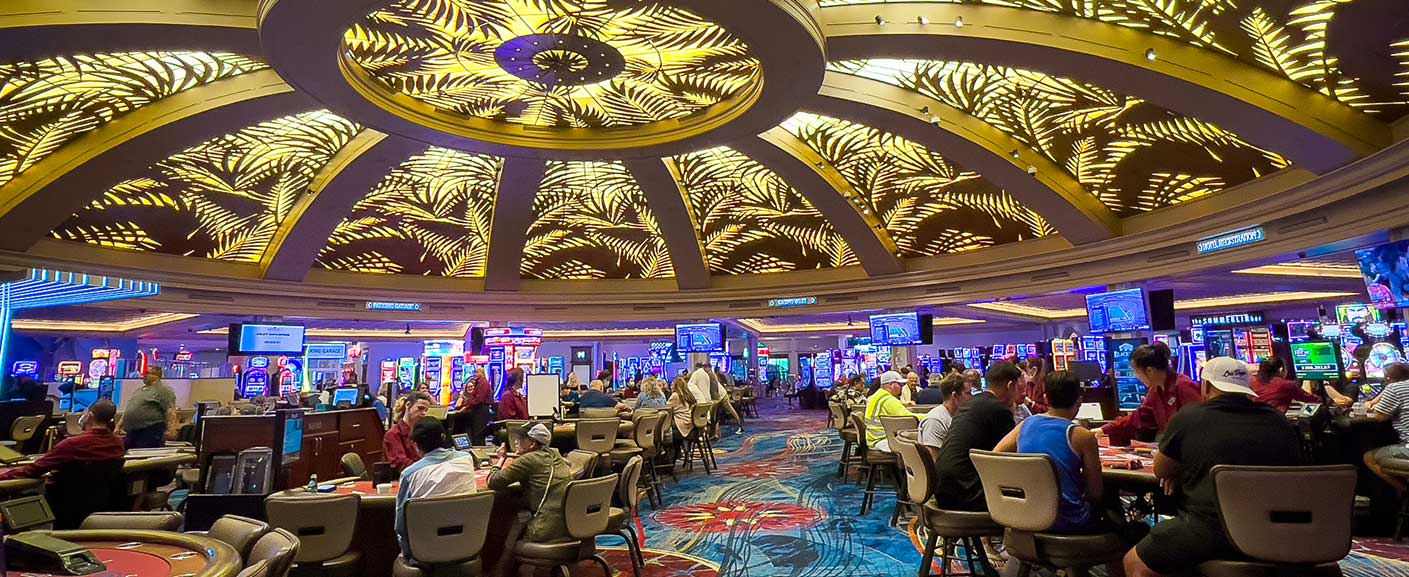
Gambling has significant implications for economic development, particularly in regions where it is legalized and regulated. Countries like Macau and Las Vegas have transformed into global tourism hubs, largely due to their gambling industries. These regions thrive economically, generating millions in revenue and providing employment opportunities for local communities. The economic impact of gambling goes beyond financial benefits; it can lead to the revitalization of local cultures and the preservation of traditions through increased funding for cultural programs.
Additionally, the influx of tourism driven by gambling can promote cultural exchange and learning. Visitors from around the world come to experience local traditions, cuisines, and entertainment, contributing to a vibrant cultural landscape. This interaction can lead to a richer understanding of cultural diversity and foster respect and appreciation for different traditions. However, this economic boon also raises questions about sustainability and the potential social costs associated with gambling addiction and its effects on communities.
Ultimately, the economic contributions of gambling must be balanced with social responsibility. Effective regulation and responsible gambling initiatives are essential to mitigate the negative effects while maximizing benefits for both the economy and the culture. Engaging stakeholders, from community members to policymakers, is crucial in navigating the complexities of gambling’s role in economic development.
Gambling and Social Dynamics
The social dynamics surrounding gambling reveal a great deal about societal values and behaviors. In many cultures, gambling is viewed as a rite of passage, a test of luck, and a reflection of one’s personality. For instance, in some Western societies, high-stakes poker games can serve as social gatherings where status, risk, and skill come into play. The competitive nature of these games not only enhances relationships among participants but also fosters an atmosphere of camaraderie and mutual respect.
Conversely, gambling can also highlight societal challenges, particularly regarding addiction and its effects on families. In societies where gambling is prevalent, discussions about responsible gambling have become increasingly important. Awareness campaigns aim to educate individuals on the risks involved while promoting healthy gambling habits. These discussions often evoke a range of emotions, reflecting the complexities of gambling as both a source of entertainment and a potential societal issue.
Moreover, gambling’s role in reinforcing gender dynamics can be observed in various cultures. While traditionally seen as a male-dominated activity, many communities are witnessing a shift as women increasingly participate in gambling. This change not only alters the landscape of gambling but also challenges stereotypes and contributes to broader conversations about gender equality in social spaces. By examining these social dynamics, one can gain deeper insights into how gambling influences and is influenced by cultural perceptions and societal structures.
The Evolution of Gambling Practices in Modern Society
With the advent of technology, gambling practices have undergone significant transformations in modern society. Online gambling has emerged as a major player, allowing individuals to participate in games of chance from the comfort of their homes. This shift has broadened accessibility, attracting a diverse range of participants, including those who may have felt alienated by traditional gambling venues. The rise of mobile casinos and live dealer games has further enhanced this experience, merging the thrill of in-person gambling with the convenience of digital platforms.
However, this evolution also raises concerns regarding regulation and responsible gambling. As the industry expands, so do the potential risks associated with gambling addiction and financial instability. Governments and organizations are increasingly tasked with developing strategies to protect consumers while fostering a thriving gambling market. This balancing act is crucial in maintaining cultural integrity while adapting to modern demands.
The cultural significance of gambling continues to adapt as societies evolve. In many ways, modern gambling reflects contemporary values and social dynamics while still holding onto traditions from the past. Understanding this evolution provides valuable insights into how gambling shapes and is shaped by cultural contexts. As we move forward, embracing both tradition and innovation will be key to preserving the rich tapestry of gambling’s cultural heritage.

Enhancing Cultural Understanding through Gaming
By exploring the cultural significance of gambling, one can gain a greater appreciation for its role in fostering social connections and identity. This exploration not only reveals the nuances of various traditions and rituals but also highlights how gambling acts as a lens through which we can understand broader societal values. Engaging with gambling from a cultural perspective encourages a deeper dialogue about its implications, allowing for a richer understanding of its impact across different communities.
Our platform aims to provide comprehensive resources and information about gambling practices around the world. By focusing on the cultural and social aspects of gambling, we seek to enhance awareness and appreciation of its complexities. Through educational content and responsible gambling initiatives, we strive to create an informed community that understands the significance of gambling as both a cultural phenomenon and a social activity.
As we continue to explore the many facets of gambling, we invite you to engage with us in this journey. Our mission is to foster cultural understanding and promote responsible practices, ensuring that the rich traditions associated with gambling are respected and preserved for future generations. Together, we can contribute to a dialogue that appreciates the cultural significance of gambling while navigating the challenges it presents in modern society.