
The psychology behind why people love casino games
The thrill of unpredictability
The allure of casino games is deeply rooted in the thrill of unpredictability. When players engage in games like blackjack or roulette, they experience the rush that comes from not knowing the outcome. This uncertainty can trigger the brain’s reward system, leading to feelings of excitement and anticipation. Research has shown that activities with uncertain rewards can be more compelling than those with predictable outcomes, and this psychological principle is significantly at play in a casino setting.
For many players, each spin of the slot machine or each card dealt is akin to a mini-adventure, creating a cocktail of emotions ranging from apprehension to exhilaration. This emotional rollercoaster is what keeps individuals returning; the idea that the next round might bring a big win often overshadows the realities of gambling odds. Such anticipation can be addictive, drawing people into a cycle of play that feels rewarding and invigorating.

Moreover, the element of surprise in these games is a powerful motivator. Players might find themselves daydreaming about the potential outcomes, investing both mentally and emotionally in each turn or spin. This anticipation, paired with the payoff of winning, creates an addictive loop that’s hard to resist, driving individuals to play longer and more frequently as they chase that exhilarating feeling and the hope of a life-altering jackpot.
The social aspect of casino gaming
Another major factor contributing to the popularity of casino games is the social interaction they promote. Casinos serve as vibrant social hubs where people gather to enjoy shared experiences, whether it’s cheering for a winning game or celebrating a significant jackpot. This communal aspect fosters connections among players, creating an environment filled with support and camaraderie.
In addition to this, interactions with dealers and other players can enhance the experience, making each game feel more engaging. The laughter, the shared gasps when someone wins, and the collective tension during critical moments all contribute to a feeling of belonging. Such social experiences can elevate the gaming experience beyond just the gamble, adding layers of enjoyment that keep people coming back for more.
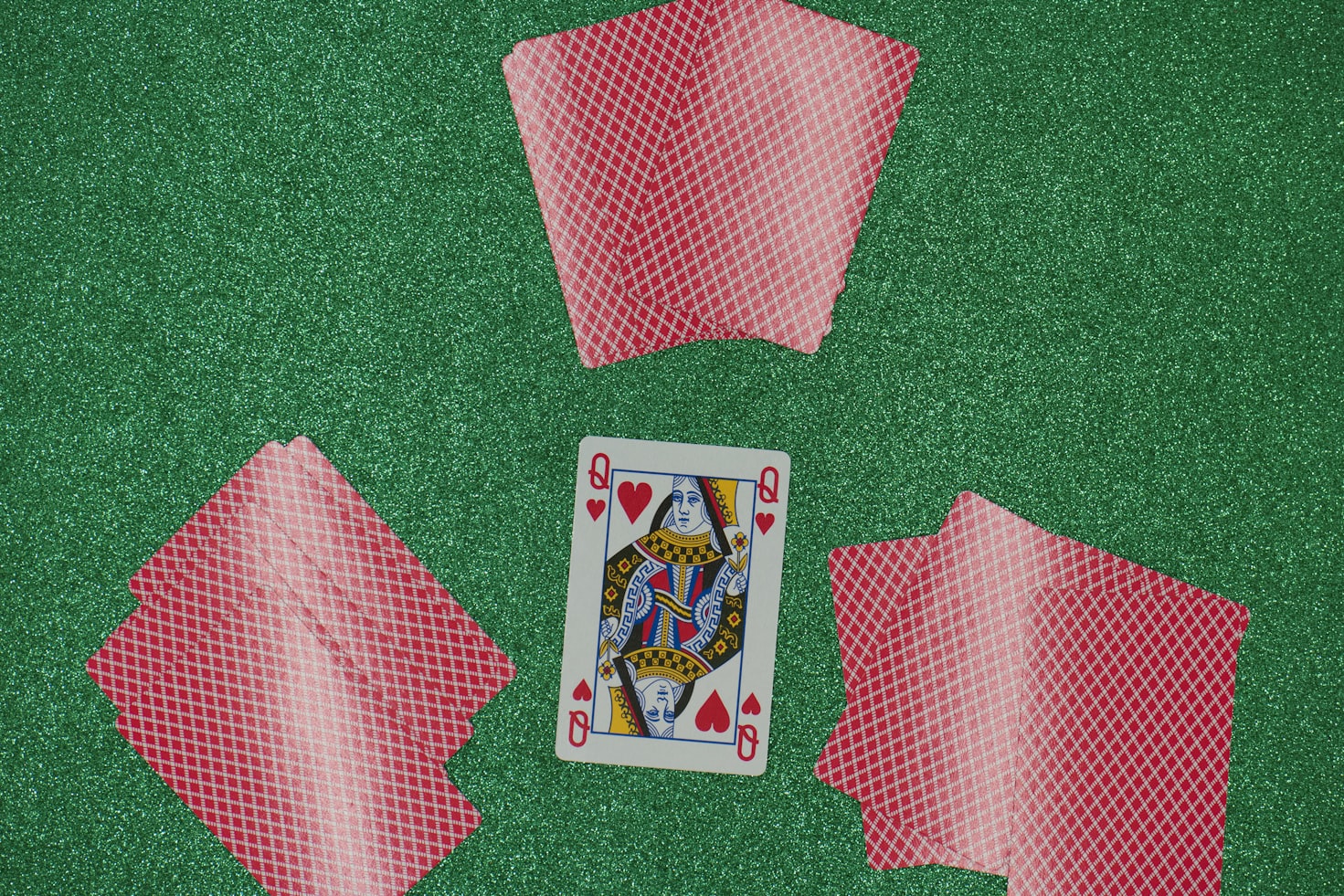
The social dimension of gambling is equally significant in online gaming, where chat features allow players to connect even from afar. The friendships formed, whether at a physical casino or online, enrich the gaming experience and create lasting bonds. Sharing strategies, discussing outcomes, or simply chatting during a game can transform a solitary activity into a meaningful social experience, reinforcing why people continue to seek out these environments.
The escape from reality
For some individuals, casinos represent an escape from the daily grind. The vibrant atmosphere, flashing lights, and captivating sounds create a fantasy world that can temporarily lift players away from their everyday lives. This diversion can be particularly appealing for those seeking a break from stress or routine. The immersive environment of a casino allows players to leave their worries behind, if only for a little while.
This ability to escape can be beneficial, providing a space for relaxation and enjoyment. Many players find solace in the distraction that gaming offers, allowing them to recharge emotionally. Yet, it is important to maintain balance, as this escape can sometimes blur the lines between harmless fun and unhealthy habits. Recognizing when play becomes detrimental is critical in enjoying this form of entertainment responsibly.
People often turn to casinos not just for the games but for the overall experience that provides a significant break from their day-to-day life. The environment designed to stimulate excitement can serve as a much-needed reprieve from daily stresses, making every visit feel like a mini-vacation. However, retaining perspective and understanding the importance of moderation ensures that this escape remains a fleeting and joyful part of life rather than a source of ongoing distress.
The role of reward systems in casino games
Understanding the psychology behind reward systems can shed light on why casino games maintain their allure. The design of these games often incorporates elements that stimulate the brain’s reward pathways, presenting players with frequent intermediate rewards. These can include small wins, bonus rounds, or special features that create positive reinforcement, encouraging players to keep playing.
As players experience these rewards, whether big or small, they often associate the thrill and excitement of winning with gaming, reinforcing their engagement with the overall experience. This cycle of reward and play not only entertains but also builds an ongoing connection to the gaming environment. The more rewards received, the stronger the desire to continue playing, creating a compelling loop that captivates players.
This mechanism is carefully crafted by game developers who understand the psychological triggers that influence behavior. Player feedback is often solicited to refine these reward structures, ensuring they resonate with users and enhance their gaming experience. By continuously providing engaging rewards, casinos and game designers keep players returning, reinforcing the excitement tied to the unpredictability and the anticipation of winning.
Discover more about casino gaming
For those intrigued by the deep-seated psychology of casino gaming, diving further can yield fascinating insights. Numerous studies and articles explore the intricate relationship between gaming, reward mechanisms, and socialization. Engaging with this knowledge can enhance one’s perspective on why these games resonate so deeply with players.
Whether playing in-person or online, understanding these aspects adds another layer of appreciation for the experience. If you’re seeking more info on the fascinating worlds of casino games and player behavior, consider exploring studies and insights from experts in the field, such as those found at more info.